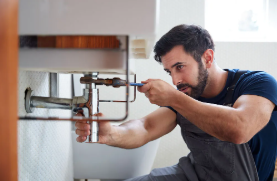
How Regular Maintenance Saves You Money on Plumbing
Regular maintenance prevents small plumbing issues from becoming costly emergencies. Inspections catch leaks, corrosion, and pressure irregularities early, allowing timely, budget-friendly fixes. Routine actions like drip repairs and water heater care save water, reduce downtime, and extend system life. A data-driven approach tracks savings and guides upgrades. The result is steadier costs and longer-term efficiency, yet the next steps reveal how to start building that routine and how to measure its impact.
What Regular Plumbing Maintenance Honestly Costs and Saves
Regular plumbing maintenance has clear, measurable costs and tangible savings that properties can quantify over time.
Maintenance assessments identify how leaky faucets waste water and raise bills, while proactive measures like pipe insulation lower heat loss and emergency repair costs.
Upfront costs include routine inspections and minor part replacements, yet long-term savings emerge through reduced downtime, extended system life, and steady budgeting.
Freedom accompanies informed choices.
Spot Common Issues Before They Drain Your Wallet
Undertaking proactive checks reveals issues before they escalate into costly repairs.
Regular inspections flag leaks, corrosion, and pressure anomalies without delay, enabling timely intervention.
This vigilance yields reliable service and lower total ownership costs.
When issues spotted early, homeowners preserve water efficiency and reduce waste.
Such early warning empowers informed decisions, minimal disruption, and enhanced system longevity.
Simple, Budget-Friendly Maintenance Actions That Pay Off
Simple, budget-friendly maintenance actions can yield outsized savings by preventing minor faults from becoming major repairs.
The guidance emphasizes practical steps: routine leak detection checks, addressing drips promptly, and keeping fixtures tight.
Water heater care, including sediment flushes and thermostat review, enhances efficiency and longevity.
Clear, deliberate actions reduce risk, minimize downtime, and preserve autonomy over household plumbing costs.
Build a Routine and Track Your Savings Over Time
Establishing a routine and tracking savings provides a clear, data-driven path to durable plumbing efficiencies. Regular maintenance programs create measurable cost savings over time, enabling informed decisions about repairs and upgrades.
See also: Blockchain and Big Data Integration
Frequently Asked Questions
How Often Should I Schedule Professional Plumbing Inspections?
Regular inspections should be scheduled annually, with semi-annual checks for older systems or high-use facilities. This supports preventive maintenance, catching leaks early and extending lifespan, while empowering homeowners to manage costs and infrastructure confidently.
Do Maintenance Costs Qualify for Home Improvement Tax Credits?
Maintenance costs generally do not qualify as home improvement tax credits, though some specific energy-efficiency upgrades might. The theory is nuanced; maintenance credits are not universal. Tax deduction or credits depend on jurisdiction, eligibility, and applicable energy programs for maintenance.
Can DIY Fixes Cause More Harm Than Good?
DIY mistakes and rookie fixes can indeed cause more harm than good, as improper repairs risk leaks, water damage, and higher costs. The detached observer notes caution: skilled guidance minimizes damage and preserves system integrity.
What Tools Are Essential for Basic Home Plumbing Upkeep?
A basic wrench and leak sealant are essential tools for basic home plumbing upkeep. The approach is concise, authoritative, and precise, suitable for readers who value freedom, enabling timely, independent fixes while maintaining safe, reliable systems.
How Long Before Savings Surpass Maintenance Expenses?
How long before savings surpass maintenance expenses? Typically, the savings threshold occurs within months to a couple of years, depending on usage. To measure ROI, compare maintenance costs against repair costs, maintenance vs. repair, and track cash flow reductions.
Conclusion
Regular maintenance aligns expense with outcome, not surprise. When a homeowner discovers a drip at dawn, the leak is halted before work crews arrive at rush hour—and the bill remains predictable. A yearly inspection flags corrosion, a sediment flush keeps the water heater efficient, and thermostat checks prevent overheating. Coincidence threads through the routine: tiny adjustments, tiny costs, suddenly preventing a major outage. In this way, disciplined upkeep quietly preserves value and steadies budgets.