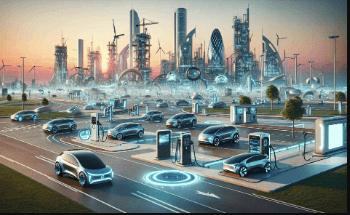
The Future of Mobility
The future of mobility unfolds as an integrated system, where electrified, autonomous networks optimize flows of people and goods. Data-guided governance balances freedom with accountability, while adaptive regulation and shared fleets reshape urban fabrics into responsive platforms. Cities pursue equitable access, resilient infrastructure, and measurable outcomes that reduce emissions and improve safety. The path reveals tradeoffs and constraints, inviting careful scrutiny of policy, technology, and practice as the landscape evolves—keeping readers oriented toward what comes next.
What the Future of Mobility Really Means
The future of mobility is redefining how people and goods move, not merely accelerating travel but reconfiguring the entire logistical and urban fabric.
A systems perspective reveals personal autonomy expanding through optimized flows, resilient networks, and adaptive routing.
Urban grids transform into responsive platforms, integrating data, safety, and equity, guiding coordinated mobility without confinement, empowering freedom while preserving efficiency and accountability.
Electrification, Autonomy, and the Tech Driving Change
Electrification, autonomy, and the enabling technologies are converging to redefine mobility’s backbone, shifting from individual vehicles to interconnected, energy-optimized networks. Data-driven insights reveal scalable grids, smarter charging, and resilient supply chains.
The discourse considers electrification ethics and autonomy adoption as core variables, balancing innovation with responsibility. Systems thinking highlights network effects, measurable outcomes, and freedom through reliable, adaptable transportation ecosystems for all.
How Cities and Policy Shape Fair Access and Safety
Cities and policy frameworks will determine who benefits from evolving mobility as networks extend beyond single vehicles to shared, optimized systems.
The analysis surveys public transit, street design, accessibility, and risk management within urban ecosystems, emphasizing transparent governance, data-driven equity, and adaptive regulation.
A systems perspective reveals how inclusive access and safety emerge through coordinated investment, performance metrics, and proactive safety culture.
From Green Innovation to Everyday Life: Impacts and Opportunities
From green innovation to everyday life, the entwined progress in clean technologies and behavioral norms reshapes daily mobility through measurable efficiencies, systemic resilience, and equitable access.
The transformation foregrounds driving ethics and micro mobility equity, linking autonomous systems, shared fleets, and resilient infrastructure.
Data-driven metrics reveal reduced emissions, safer streets, and inclusive choices, enabling liberated mobility that balances individual liberty with collective responsibility.
See also: ucywellsjerseyexpress
Frequently Asked Questions
How Will Rural Areas Access Next-Gen Mobility Infrastructure?
Rural connectivity expands through targeted infrastructure funding, enabling scalable next-gen mobility networks; planners model demand, optimize routes, and leverage public–private partnerships. The approach prioritizes decarbonization, resilience, and user freedom within data-driven, systems-thinking frameworks.
What About Data Privacy in Connected Transport Networks?
Data privacy in connected networks hinges on robust consent management, clear data ownership, and transparent governance; systems-thinking envisions empowered users, where cryptographic safeguards and auditability ensure safer mobility, while data flows fuel innovation without compromising individual freedom.
Will Micro-Mobility Replace Car Ownership for Most People?
Micro mobility will not wholly replace car ownership for most people; instead, ownership transitions toward modular, data-informed models. A visionary, systems-thinking view shows reduced personal fleets, shared-enabled flexibility, and freedom through integrated, scalable urban mobility ecosystems with adaptable options.
How Will Mobility Jobs Be Affected by Automation?
Automobiles whispering in 1920s garages, automation will reshape mobility jobs by compressing roles into more specialized automation careers, while workforce upskilling expands resilience. The system balances labor demand with rapid tech adoption, empowering individuals toward freedom through scalable opportunity.
What Funding Models Sustain Equitable Transportation Access?
Funding models must prioritize equitable access, leveraging public–private partnerships, subsidies, rider-based pricing, and cross-subsidies. A data-driven, systems-thinking approach envisions scalable, transparent funding streams that empower flexible mobility while preserving freedom of movement for all communities.
Conclusion
In a systems-thinking lens, mobility emerges as an integrated ecosystem where electrification, autonomy, and policy co-create safer, equitable access to opportunity. A striking data point illustrates progress: cities that pair smart charging with multimodal transit saw a 22% reduction in peak-hour congestion and a 15% drop in household transport costs over five years. If governance embraces adaptive regulation and data-guided investment, mobility becomes a resilient platform—lower emissions, higher safety, and inclusive prosperity across urban life.